Share
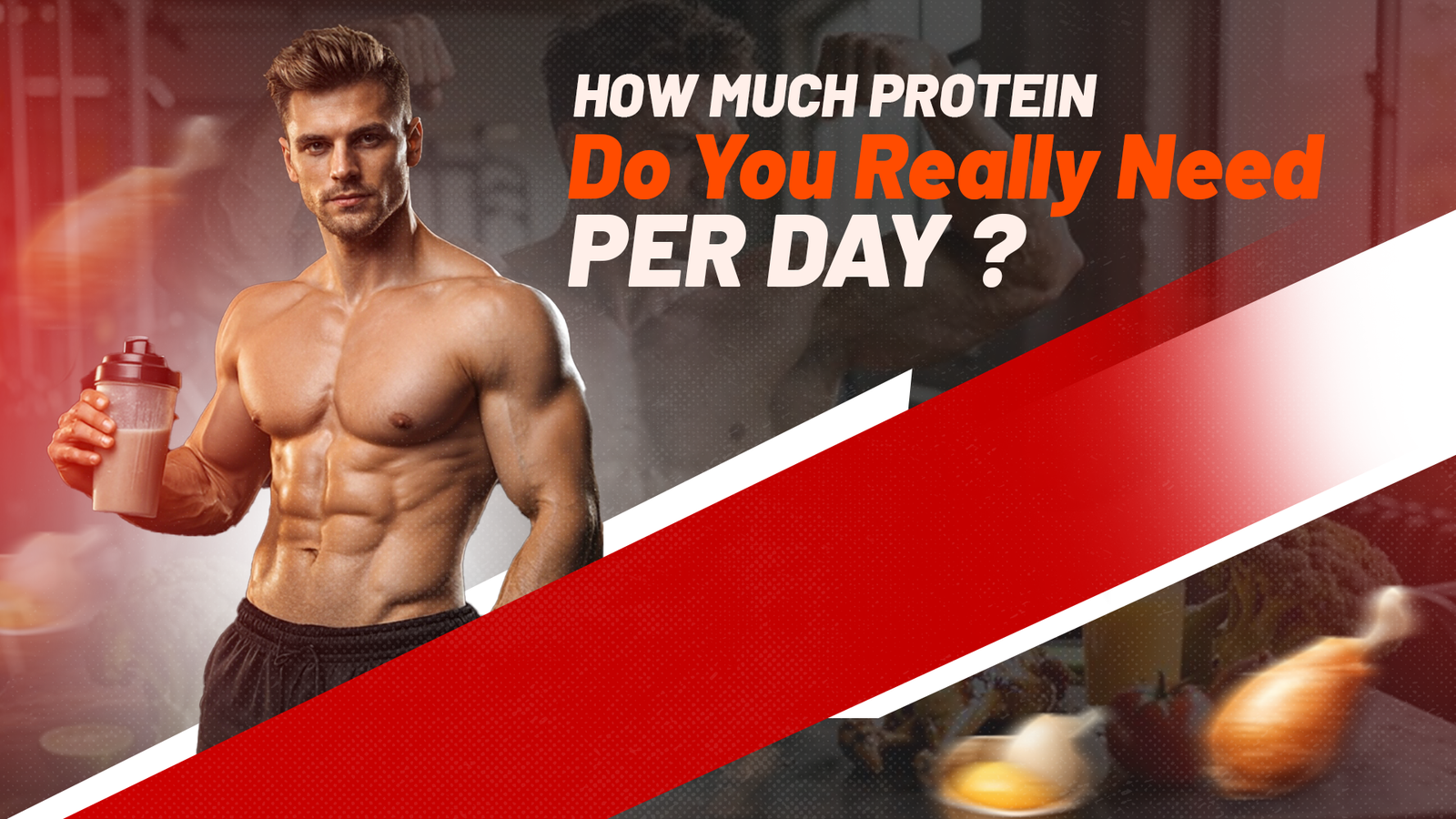
Protein is one of the most talked-about nutrients in fitness and nutrition, yet it remains one of the most misunderstood. Some people believe more protein automatically means better results, while others think protein supplements are only for bodybuilders. The truth is more balanced. Protein needs vary depending on lifestyle, activity level, body composition goals, and overall diet quality.
At Real Canadian Supplements, we regularly help customers understand how much protein they actually need per day and how to meet those needs realistically. Knowing your true protein requirement can improve recovery, support muscle growth, aid fat loss, and prevent unnecessary overconsumption.
Why Protein Matters So Much
Protein plays a critical role in the body beyond building muscle. It supports tissue repair, enzyme production, hormone balance, immune function, and overall metabolic health. Every cell in the body relies on protein in some form, which means daily intake matters even for people who are not actively training.
For physically active individuals, protein becomes even more important. Training causes microscopic damage to muscle tissue, and protein provides the amino acids required to repair and rebuild that tissue stronger than before. Without enough protein, recovery slows, muscle loss becomes more likely, and performance can suffer.
Protein Needs Are Not One-Size-Fits-All
There is no single number that works for everyone. Protein needs change based on age, body weight, activity level, training intensity, and goals. Someone who is sedentary will require less protein than someone who trains multiple times per week. Someone trying to build muscle or maintain lean mass during fat loss will need more protein than someone focused only on general health.
This is where confusion often begins. Many people rely on outdated recommendations that are designed to prevent deficiency rather than optimize performance or body composition. Modern research and real-world experience show that active individuals benefit from higher protein intake than minimum guidelines suggest.
Protein and Body Weight Considerations
Protein requirements are often calculated based on body weight because muscle mass and overall size influence how much protein the body needs. Larger individuals generally require more protein to maintain and repair tissue. However, protein needs are also influenced by lean mass rather than total body weight alone.
For individuals carrying higher body fat, protein intake still plays an important role, especially during weight loss. Higher protein intake helps preserve muscle mass while reducing fat, supports satiety, and helps control hunger. This makes protein especially valuable for people working toward body recomposition or fat loss goals.
Protein Intake for Different Activity Levels
People with low physical activity still require protein daily to support basic bodily functions, but their needs are lower compared to those who train regularly. As activity increases, protein demands rise due to increased muscle breakdown and recovery requirements.
Those who engage in resistance training, high-intensity workouts, or endurance activities place greater stress on their muscles and connective tissues. Protein helps repair that stress and supports adaptation over time. Without adequate protein, progress slows and recovery becomes inconsistent.
Muscle Building and Protein Intake
Protein is essential for muscle growth, but more protein does not always equal more muscle. Muscle growth depends on training stimulus, total calorie intake, recovery, and consistency. Protein supports this process by providing the raw materials needed for muscle repair and growth.
For muscle building, protein intake should be spread throughout the day to support ongoing muscle protein synthesis. Consuming protein regularly rather than all at once improves how efficiently the body uses it. This is where protein supplements become useful, especially for individuals who struggle to meet daily needs through whole foods alone.
Protein Intake During Fat Loss
Protein becomes even more important during fat loss. When calories are reduced, the body may break down muscle tissue for energy if protein intake is too low. This can slow metabolism and negatively affect body composition.
Higher protein intake during fat loss helps preserve lean muscle mass, supports recovery, and increases feelings of fullness. This makes it easier to maintain a calorie deficit without excessive hunger or muscle loss. Protein supplements are often used during fat loss phases because they provide high protein with predictable calories.
Protein Timing and Daily Distribution
When protein is consumed can influence how effectively it supports recovery and muscle maintenance. Distributing protein evenly across meals helps maintain a steady supply of amino acids in the bloodstream. This supports muscle repair throughout the day rather than overwhelming the body in a single meal.
Protein consumed after workouts is especially valuable because muscles are more receptive to nutrients during recovery. However, total daily intake remains more important than perfect timing. Consistency matters more than exact meal schedules.
Whole Foods vs Protein Supplements
Whole food protein sources such as meat, fish, eggs, dairy, and plant-based options provide additional nutrients beyond protein. These foods should form the foundation of a balanced diet whenever possible.
Protein supplements do not replace whole foods but serve as a convenient and effective way to meet protein needs when food alone is not practical. Busy schedules, limited appetite, or higher protein requirements often make supplementation helpful rather than excessive.
At Real Canadian Supplements, we emphasize using protein supplements as support tools rather than meal replacements unless specific situations require it.
Common Protein Intake Mistakes
Many people underestimate how much protein they consume daily, while others overestimate how much they need. Eating too little protein can slow progress, while consuming excessive protein without adequate calories, training, or hydration can cause digestive discomfort without added benefit.
Another common mistake is relying on protein only around workouts while neglecting intake during the rest of the day. Protein supports the body continuously, not just during training hours.
Understanding your needs and adjusting intake gradually leads to better long-term results than extreme changes.
How to Know If You’re Getting Enough Protein
Signs that protein intake may be insufficient include poor recovery, frequent soreness, stalled progress, constant hunger, or loss of muscle mass during weight loss. On the other hand, adequate protein intake often leads to improved recovery, better workout performance, and more stable energy levels.
Tracking food intake for a short period can help identify gaps. Protein supplements can then be used strategically to close those gaps rather than guesswork or overconsumption.
Protein Quality and Digestibility
Not all protein sources are equal in terms of digestibility and amino acid profile. High-quality proteins provide all essential amino acids in forms the body can easily use. Whey protein is widely used because it is highly digestible and rich in amino acids that support muscle repair.
Plant-based proteins can also be effective, especially when blended from multiple sources to improve amino acid balance. Choosing quality protein sources improves efficiency and reduces digestive issues.
Choosing the Right Protein for Your Lifestyle
Protein needs and preferences vary. Some individuals prefer dairy-based options, while others choose plant-based proteins due to dietary restrictions or personal preference. What matters most is consistency, digestibility, and total daily intake.
At Real Canadian Supplements, we help customers choose protein options that align with their goals, lifestyle, and digestion so they can meet daily needs without unnecessary stress.
Long-Term Protein Intake and Sustainability
Protein intake should be sustainable, not extreme. Long-term consistency produces better results than short-term overconsumption. Protein supports health, performance, and body composition when integrated naturally into daily routines.
Understanding how much protein you really need per day removes confusion and allows you to focus on training, recovery, and overall well-being rather than chasing trends.