Share
Protein supplements have become a huge part of modern fitness culture, and for good reason. Walk into any gym in Calgary, and you’ll see people shaking up their scoop of whey protein before or after their workouts. You’ll hear conversations about isolate versus concentrate, whether vegan protein is good enough, and what brand offers the cleanest results. With so many options available, choosing the right protein powder can feel overwhelming. That’s exactly why guides like this exist — to help you understand not only the types of protein, but also how each one fits into different goals, diets, and lifestyles.
At Real Canadian Supplements, we meet customers every day who struggle to make sense of the supplement world. Some want to build muscle, others want to lose weight, and many simply want to stay healthy. But the truth is this: the “best” protein powder is not the same for everyone. It depends on your body, your goals, your digestion, and even your schedule. This article breaks everything down in a natural, practical way, helping you choose protein the same way we guide customers in-store — with clarity and honesty.
Why Protein Matters More Than Most People Think
Protein plays a foundational role in the way your body recovers, performs, and changes. Every time you work out, tiny micro-tears form in your muscles. Your body uses amino acids — the building blocks of protein — to repair those tears and make the muscle fibres stronger than before. That’s how muscle growth happens. Without enough protein, your body struggles to repair itself, which leads to slower progress, increased soreness, and lack of energy.
But protein isn’t just about building big muscles. It’s essential for general health, too. Your hair, hormones, skin, immune system, and enzymes all depend on adequate protein intake. Even if you’re not lifting weights, getting enough protein helps you maintain muscle mass, feel full for longer, and manage your metabolism. With modern lifestyles being so busy, protein powders offer a convenient and reliable way to meet your daily requirements.
Understanding the Main Types of Protein Powders
When people think of protein powder, they usually imagine whey protein. And while whey is easily the most popular, it’s not the only type — nor is it the best for everyone. Each protein type absorbs differently, tastes different, and suits different fitness needs.
Whey protein is made from milk and is one of the fastest-digesting proteins available. It’s perfect for post-workout since your muscles can absorb it quickly, helping kick-start recovery. Most people choose whey because it offers a great balance between price, taste, and effectiveness. If you’re new to supplements, whey is almost always the easiest and safest place to start.
Another category is whey isolate, which is essentially a more filtered version of whey. It contains fewer carbs, virtually no lactose, and is absorbed even faster. People often choose isolate when they want clean results, lean muscle, or when they experience bloating with regular whey. Athletes cutting weight, or individuals with digestive sensitivity, generally prefer isolate since it’s lighter on the stomach.
On the other hand, casein protein is the slowest-digesting type. Instead of giving your muscles a quick burst of amino acids, casein releases them gradually over six to eight hours. This makes it perfect for nighttime use, especially for those who want to maintain muscle during long hours of fasting.
Finally, there are plant-based proteins, which have grown massively in popularity. Whether you’re vegan, lactose intolerant, or simply want a lighter option, plant proteins from pea, rice, hemp, or soy offer a great alternative. Modern plant proteins taste much better than they used to, and many people find them easier on the stomach.
How to Choose the Right Protein for Your Fitness Goal
Choosing a protein powder becomes much easier when you match it to your actual goal rather than buying the first tub you see online.
If your main goal is to build muscle, you’ll benefit most from whey or isolate because they offer fast recovery and high leucine content — the amino acid responsible for triggering muscle growth. Beginners often see the fastest results when they pair whey with consistent training.
For people aiming to lose fat or get lean, isolate is usually the top recommendation. It is extremely clean, low in calories, and free from unnecessary fats or sugars. Someone doing morning cardio or following a calorie-controlled diet will usually feel lighter and more energetic using isolate.
Those looking to gain weight or increase size should consider mass gainers. These formulas combine protein, carbs, and sometimes creatine to help you increase caloric intake. Many brands like AllMax, Hydropure, and Limitless Pharma offer clean gainers that don’t feel overly heavy.
If your goal is simply to stay healthy, recover better, and maintain muscle, both whey and plant protein work well. Many customers at our Calgary store use protein once a day as part of their breakfast routine because it keeps them full, energized, and consistent with their nutrition.
Ingredients and Label Reading: What Actually Matters
A common mistake people make when buying protein is only looking at the flavour or price. But what truly matters is the ingredient list. A good protein powder should offer 22 to 30 grams of protein per scoop, minimal sugar, and a short ingredient list. Cheap protein powders often contain fillers, gums, and artificial ingredients that don’t support your fitness goals in the long run.
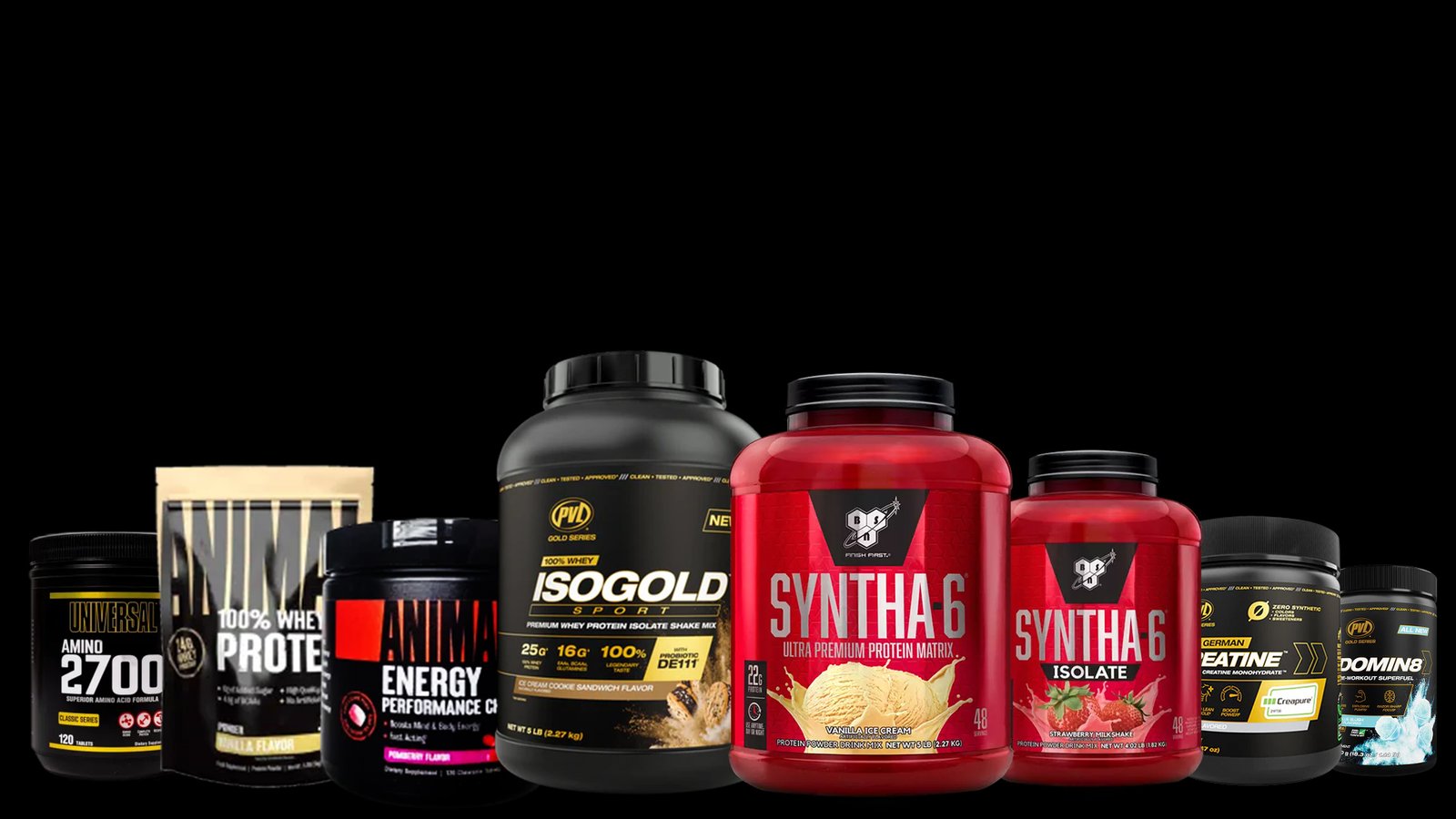
Brands like R1, PVL, Dymatize, Allmax, MuscleTech, Beyond Yourself, Believe, Mutant, and others we carry at Real Canadian Supplements prioritize quality and transparency. They undergo third-party testing, which ensures that what’s printed on the label matches what you’re actually consuming.
When you’re reading labels, focus on protein content per serving, carbohydrate amounts, fat levels, and whether it includes enzymes for digestion. If a protein has too many added ingredients that you can’t pronounce, it’s often a sign to look for a cleaner option.
Should Beginners Use Protein Powder?
Absolutely, yes. Many beginners think protein powder is only for bodybuilders — but that’s far from the truth. Protein supplements are simply a nutritional tool that helps people meet their daily protein needs more easily. If you struggle to eat enough meat, eggs, or whole foods during the day, protein powder becomes an extremely helpful addition.
Beginners who start using protein typically notice faster recovery, less soreness, and more consistent energy throughout their training week. It makes it easier to build a routine because you’re giving your body what it needs to grow stronger.
Best Times to Take Protein Powder
Most people take protein immediately after their workout, and that’s definitely a great time for absorption. But it’s not the only time. You can also take protein in the morning to replace a rushed breakfast, as an afternoon snack to avoid cravings, or mixed into oatmeal or smoothies to increase your daily intake. Casein is the only protein recommended at night because it digests slowly and helps maintain your muscles while you sleep.
The truth is, protein timing matters less than total daily intake. As long as you get enough protein overall, your body will respond well.
Keep It Simple and Stay Consistent
The supplement world can feel complicated, but protein powder doesn’t need to be. Start with your goal, choose a type that matches your lifestyle, and stay consistent. Whey is great for most people, isolate is perfect for clean results, plant protein works well for sensitive digestion, and casein provides overnight muscle repair.
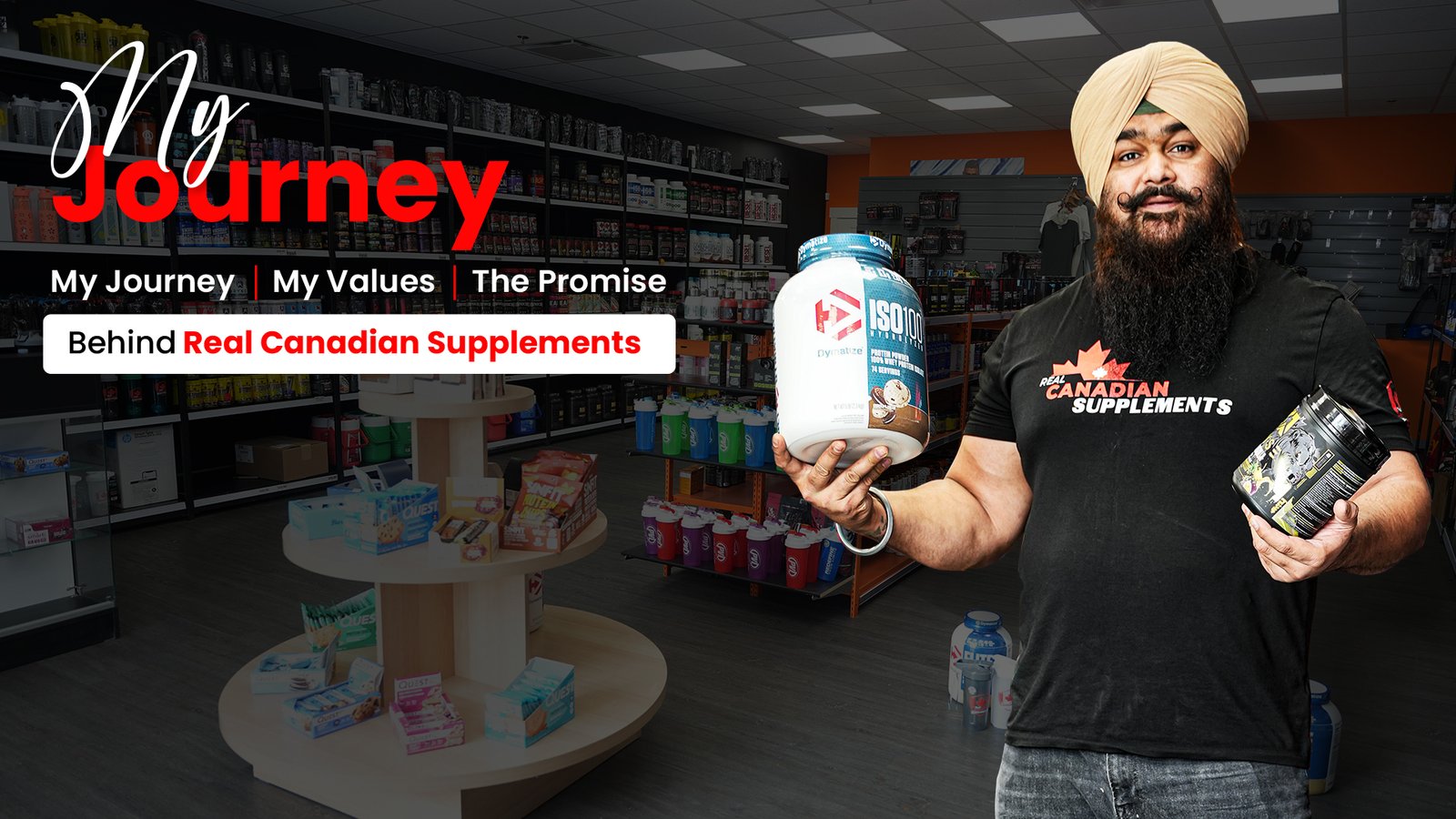
At Real Canadian Supplements, our goal is always to make supplement shopping easier and more trustworthy. Whether you’re new to fitness or already deep into your training, we’re here to help you understand what your body needs so you can make confident choices — and see real results.