Share
Protein powder is one of the most commonly used supplements in fitness, yet it is also one of the most confusing. With so many options available, many people are unsure which protein powder is right for their goals. Some are focused on muscle growth, others want fat loss, while many simply want to improve recovery and overall health. Choosing the wrong type of protein can lead to digestive discomfort, stalled progress, or unnecessary calories.
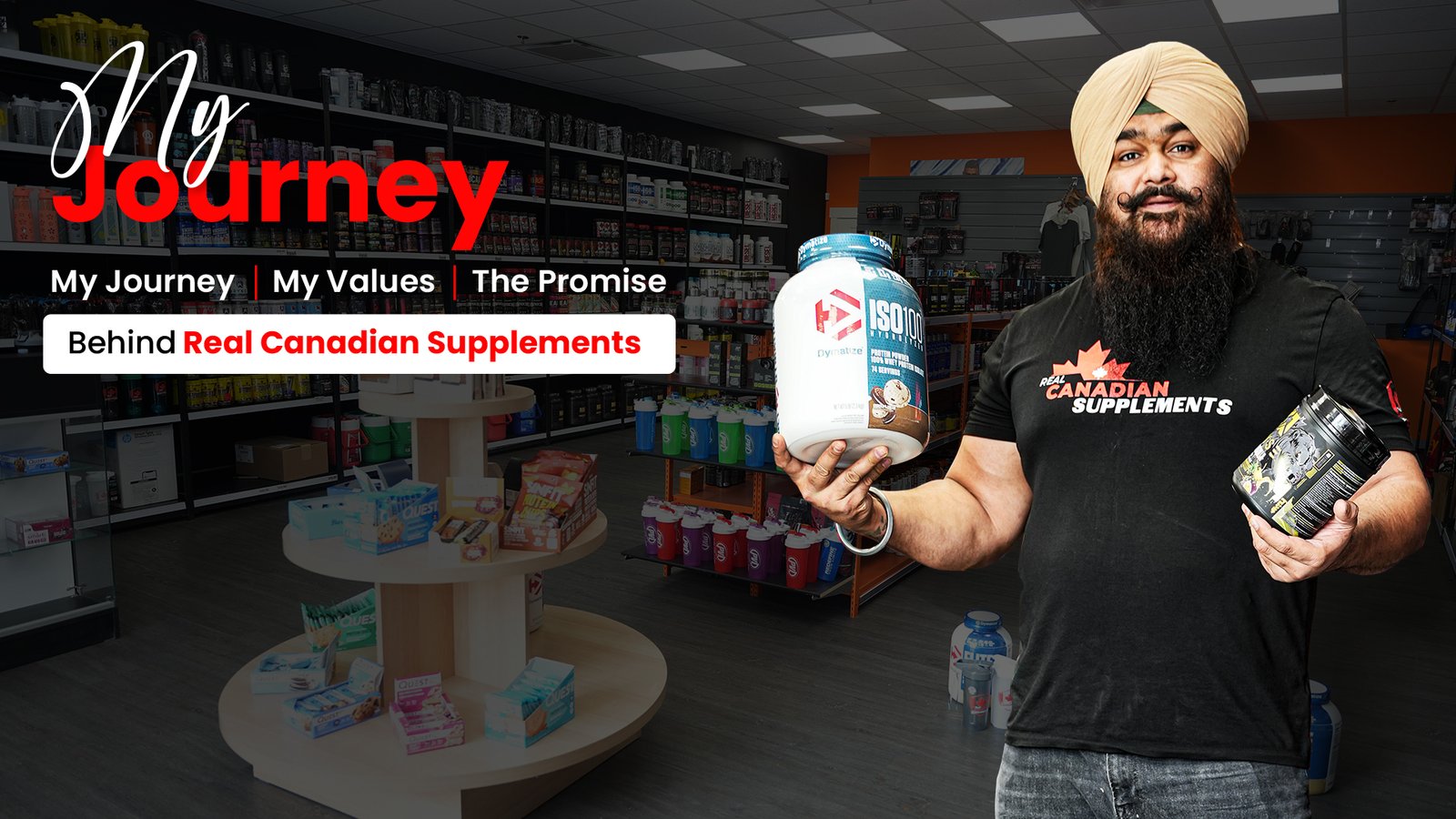
At Real Canadian Supplements, we help customers choose protein powders that match their fitness goals, lifestyle, and nutritional needs. Understanding how different protein powders work makes it easier to select the right one and get real results.
Why Protein Powder Matters
Protein is essential for muscle repair, recovery, and overall body function. When you train, your muscles experience stress and microscopic damage. Protein provides the amino acids your body needs to repair that damage and adapt by becoming stronger. Even outside of training, protein supports metabolism, hormone production, immune health, and tissue maintenance.
While whole foods should always be the foundation of your diet, protein powder offers a convenient way to meet daily protein needs. This is especially helpful for people with busy schedules, higher protein requirements, or limited appetite. Protein powder does not replace meals but supports consistency when food alone is not enough.
Understanding Your Fitness Goal Comes First
The most important step in choosing a protein powder is identifying your primary fitness goal. Protein needs differ depending on whether you are trying to build muscle, lose fat, maintain lean mass, or support general health. Using a protein that does not align with your goal can slow progress or add unnecessary calories.
Someone focused on muscle gain benefits from a protein that supports recovery and provides enough calories to fuel growth. Someone focused on fat loss benefits from a lean protein that supports muscle retention while keeping calories controlled. Understanding this difference simplifies the decision-making process.
Protein for Muscle Building and Strength
For muscle building, the goal is to support muscle protein synthesis and recovery while maintaining adequate calorie intake. Whey protein is one of the most popular choices for this goal because it is fast-digesting and rich in essential amino acids. These amino acids help stimulate muscle growth when combined with resistance training.
Whey protein concentrate contains a mix of protein, carbohydrates, and fats, making it suitable for individuals who want to gain muscle and do not need strict calorie control. Whey protein isolate provides higher protein content with lower fat and carbohydrate levels, making it ideal for those who want lean muscle gains with more precise nutrition.
Using protein powder after workouts or between meals helps maintain a steady supply of amino acids throughout the day, supporting consistent muscle recovery and growth.
Protein for General Health and Active Lifestyles
Protein plays a critical role in fat loss because it helps preserve lean muscle mass while calories are reduced. During fat loss, the body may break down muscle tissue if protein intake is too low. Choosing the right protein powder helps prevent this while supporting satiety and recovery.
Whey protein isolate is often preferred for fat loss because it delivers high protein with minimal calories. This makes it easier to stay in a calorie deficit without sacrificing muscle. Plant-based protein powders are also effective for fat loss, especially for individuals who avoid dairy or experience digestive issues with whey.
Protein supplements support hunger control by helping you feel full for longer, which improves consistency and makes fat loss more sustainable.
Protein for General Health and Active Lifestyles
Not everyone uses protein powder for bodybuilding or fat loss. Many people simply want to support an active lifestyle, improve recovery, or meet daily protein needs more easily. In these cases, the focus is on balance rather than extremes.
Whey protein concentrate or blended plant-based proteins work well for general fitness. These options provide quality protein without being overly restrictive or calorie-dense. Protein supplements in this category support muscle maintenance, energy, and overall well-being when combined with balanced meals.
Understanding Different Protein Types
Protein powders differ not only in calorie content but also in digestion speed and ingredient profile. Fast-digesting proteins such as whey are useful around workouts, while slower-digesting proteins support longer-lasting amino acid release.
Plant-based proteins are often made from peas, rice, or blends of multiple sources. When formulated correctly, they provide a complete amino acid profile and are easier to digest for some individuals. Casein protein digests slowly and is often used to support overnight recovery, though it is less commonly used by beginners.
Choosing the right type depends on how your body responds, your dietary preferences, and when you plan to consume the protein.
Digestibility and Personal Tolerance
Digestive comfort is often overlooked when choosing protein powder. Some individuals experience bloating, discomfort, or sensitivity to certain ingredients. Lactose intolerance is common, and whey isolate or plant-based proteins are often better tolerated in these cases.
Artificial sweeteners, fillers, or low-quality ingredients can also cause digestive issues. Paying attention to ingredient labels and how your body responds helps avoid unnecessary discomfort. Choosing a protein that digests well makes consistency easier and improves overall experience.
Protein Timing and Daily Intake
Protein timing supports recovery and muscle maintenance, but total daily intake matters more than perfect timing. Spreading protein intake evenly across meals supports steady muscle repair and prevents long gaps without amino acid availability.
Protein powder is especially useful after workouts because muscles are more receptive to nutrients during recovery. It is also helpful between meals when whole food options are limited. Using protein strategically improves consistency without replacing balanced meals.
Whole Foods and Protein Supplements Working Together
Protein powder works best when it complements whole food intake. Whole foods provide additional nutrients such as fiber, vitamins, and minerals that supplements do not fully replace. Protein powder fills gaps rather than serving as the primary protein source.
For busy individuals, protein powder provides flexibility. It supports nutrition without forcing rigid meal schedules. This balance improves adherence and long-term success.
Common Mistakes When Choosing Protein Powder
Many people choose protein powders based on marketing rather than personal needs. Buying the highest-calorie protein for fat loss or the leanest protein for muscle gain can slow progress. Another common mistake is switching protein types frequently without allowing time to assess results.
Overconsumption is also common. More protein is not always better, especially when total calories are not aligned with goals. Understanding portion sizes and daily needs prevents unnecessary intake and improves results.
Quality and Trust Matter
Protein quality directly affects effectiveness and safety. Trusted brands provide transparent labeling, consistent formulations, and reliable sourcing. Low-quality products may contain fillers, inaccurate protein content, or poor digestibility.
At Real Canadian Supplements, we focus on offering authentic, high-quality protein powders and guiding customers toward products that match their goals. This reduces confusion and ensures customers get real value from their supplementation.
Choosing Protein That Fits Your Lifestyle
The best protein powder is one you can use consistently. Taste, mixability, digestion, and convenience all influence whether you stick to your routine. A protein that fits your schedule and preferences is more effective than one chosen solely for its nutrition label.
Fitness progress depends on habits built over time. Protein powder should make those habits easier, not more complicated.
Long-Term Results Come From Smart Choices
Protein powder supports fitness goals when chosen intentionally. Understanding your goal, choosing the right protein type, and using it consistently alongside balanced nutrition and training leads to better outcomes. Protein is a support tool, not a shortcut.
When protein powder fits seamlessly into your routine, it helps maintain progress, improve recovery, and support long-term health. Choosing wisely from the start makes your fitness journey smoother and more sustainable